- 描述
- 询问
描述
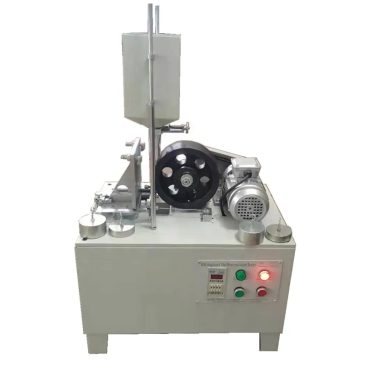
DHF84 二氧化硅元素分析仪
1. 测量范围
1-1 Measurable Elements and Measuring Range
二氧化硅:0.2~99% Al2O3:0.2~99% Fe2O3:0.1~99% TiO2:0.1~99% K2O:0.1~15%
氧化钠:0.1~15% CaO:0.1~99% MgO:0.1~99% B2O3:0.1~30% ZrO2:0.1~99%
PbO:0.1~20% ZnO:0.1~99% MnO:0.1~15% Cr2O3:0.1~15% BaO:0.1~10%
NiO:0.1~15% CoO:0.1~10% P2O5:0.1~30% Li2O:0.1~15% SnO:0.1~99%
1-2 Fast-speed analysis of principal component of follouing chemical materials can be carried out by this analytical instrument:
Chromic salts, V2O5 product, MnO product, NiO product, titanium white, phosphate, cobalt oxide, Zinic oxide, boric acid, borax, barium carbonate, sodium silicate.1-3 High-precision analysis of low-content component
This analytical instrument can extend the measuring lower limit of such elements as Fe2O3,TiO2,K2O,氧化钠,CAO,氧化镁,P2O5,MnO and Cr2O3 to be 0.02%. Analysis precision is better than 0.02%.
2. Analysis Precision
Analysis precision for each element can reach or be superior to the allowable errors specified in the relevant national standards.
3. Analysis Speed
Overall analysis of SiO2,Al2O3,Fe2O3,TiO2,K2O,氧化钠,CaO and MgO can be finished within 2-3 hours from weighing.
Analysis of other elements can be finished within 4-6 小时.
4 measurement channels: 3
5 Continuously measure the number of samples: 10
DHF84 二氧化硅元素分析仪
Composition of Equipment
1. DHF82 type main unit: one set
2. Date processing system: one set(include PC, 打印机, 界面 & 软件)
3. Flame photometer: one set
4. Silver crucible: four sets
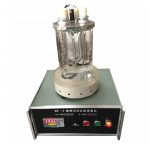
5. Ultrasonic washing machine: one set
6. Standard reserve liquid (普通的 8 elements only)
DHF84 二氧化硅元素分析仪
Working Condition of Instrument
1. 电源: 220V, 50赫兹
2. Power of Whole Unit: 1千瓦
3. Weight of Whole Unit: 100公斤
4. Installation Dimension: 3500×850mm (working desk)
5. Ambient Temperatrue: 5-30℃
6. 相对湿度: ≤85%
DHF84 二氧化硅元素分析仪
Working principle of the instrument
The basic principle of photometric anlysis——Lambert- Beer’s Law is applied here: when there is no change in the thickness of the liquid layer, the capability of the solution’s absorbing light is in direct proportion to the concentration of the analyzed material. First a certain amount of sample solution is prepared, under certain conditons, the analyzed material will develop colors, with the light of spefic wavelength, the elements of the material will be determined through their absorbency.
The detection steps are as follows:
Preparing sample→weighing the sample→fusing the sample→leaching the sample→sample developing colors→analyzing the sample with the machine→data processing→report of the analysis results