

BGD 564 Cylindrical Mandrel Tester

- Opis
- Zapytanie
Opis
BGD 564Cylindrical Mandrel Tester
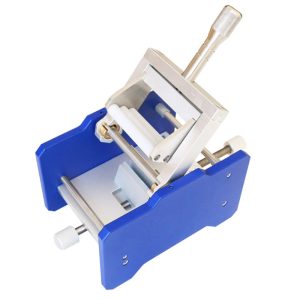
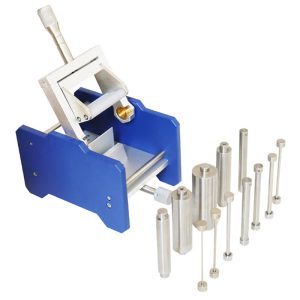
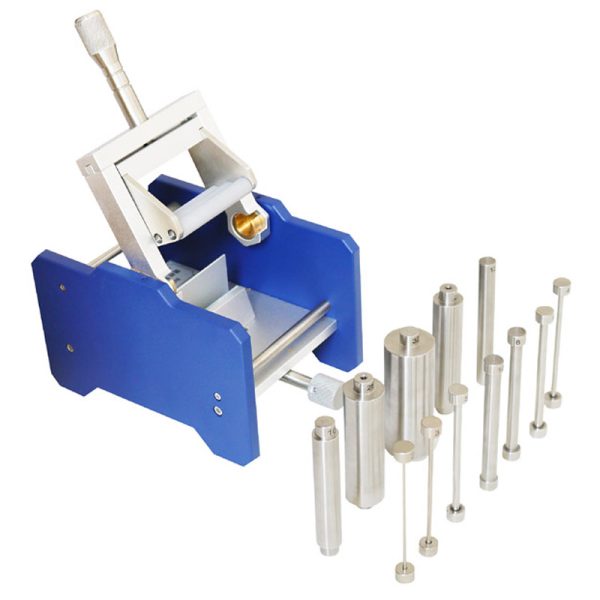
BGD 564 Cylindrical Mandrel Tester complies with ISO 1519:2011,ASTM D522 and DIN 53152.It is used to assess the resistance of a coating of paint, varnish or related product to cracking and/or detachment from a metal or plastic substrate when subjected to bending round a cylindrical mandrel under standard conditions.
This tester consists of three PVC rolls wich are arranged side by side and run on pivoting bearings. Zatem, the coating is not exposed to damge or shear stress during the test.
Test można przeprowadzić:
— albo jako test „Pass/Fail”, przeprowadzając test z jednym określonym rozmiarem trzpienia, ocenić zgodność z konkretnym wymogiem;
— lub powtarzając procedurę przy użyciu kolejno mniejszych mandrelów w celu ustalenia średnicy pierwszego trzpienia w stosunku do pęknięć powłokowych i/lub zostaje oderwana od podłoża.
BGD 564Cylindrical Mandrel Tester
Parametry techniczne
■ Latest and humanization design, convenient and quick to operate.
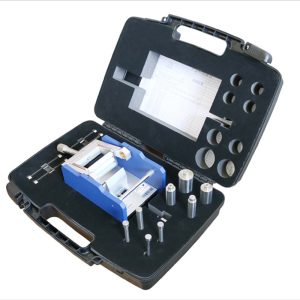
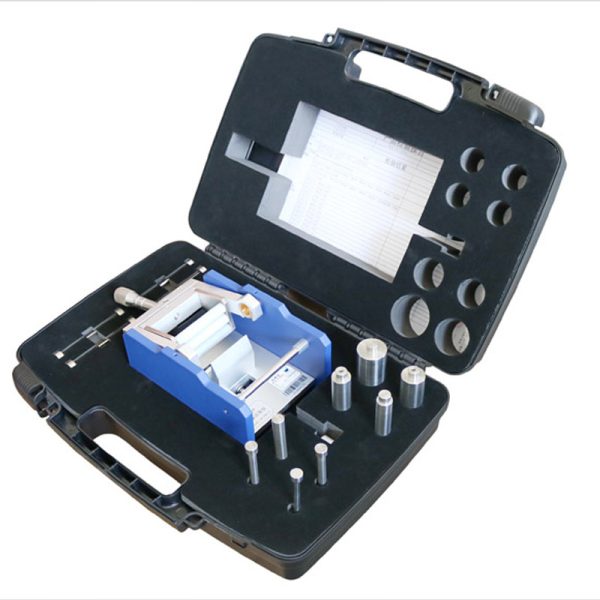
■ 12 pcs stainless steel mandrels with different diameters:Φ2、Φ3、Φ4、Φ5 、Φ6 、Φ8 、Φ10 、Φ12 、Φ 16 、 Φ20 、Φ25 、Φ32mm
■ All mandrels are machined precisely by high hardness stainless steel, 2mm and 3mm mandrels are done by hardening treatment, it won’t be deformed even bend the thick test panels.
■ Suitable test panels size:Length 120mm~150mm;widith ≤80mm;thickness ≤1.0mm
■ Come with Calibration Certification
■ Informacje dotyczące zamawiania:BGD 564—Cylindrical Mandrel Tester
BGD 564Cylindrical Mandrel Tester
BGD 564 Cylindrical Mandrel Tester complies with ISO 1519:2011,ASTM D522 and DIN 53152.It is used to assess the resistance of a coating of paint, varnish or related product to cracking and/or detachment from a metal or plastic substrate when subjected to bending round a cylindrical mandrel under standard conditions.
This tester consists of three PVC rolls wich are arranged side by side and run on pivoting bearings. Zatem, the coating is not exposed to damge or shear stress during the test.
Test można przeprowadzić:
— albo jako test „Pass/Fail”, przeprowadzając test z jednym określonym rozmiarem trzpienia, ocenić zgodność z konkretnym wymogiem;
— lub powtarzając procedurę przy użyciu kolejno mniejszych mandrelów w celu ustalenia średnicy pierwszego trzpienia w stosunku do pęknięć powłokowych i/lub zostaje oderwana od podłoża.