- وصف
- سؤال
وصف
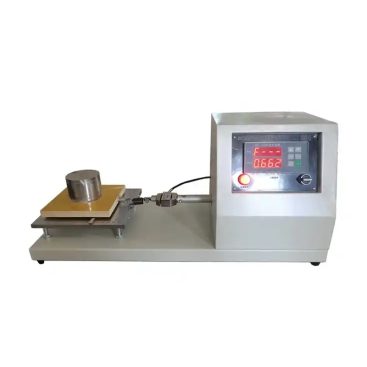
محلل عناصر DHF84 SiO2
1. Measuring Range
1-1 Measurable Elements and Measuring Range
SiO2:0.2~99% Al2O3:0.2~99% Fe2O3:0.1~99% TiO2:0.1~99% K2O:0.1~15%
Na2O:0.1~15% CaO:0.1~99% MgO:0.1~99% B2O3:0.1~30% ZrO2:0.1~99%
PbO:0.1~20% ZnO:0.1~99% MnO:0.1~15% Cr2O3:0.1~15% BaO:0.1~10%
نيو:0.1~15% CoO:0.1~10% P2O5:0.1~30% Li2O:0.1~15% SnO:0.1~99%
1-2 Fast-speed analysis of principal component of follouing chemical materials can be carried out by this analytical instrument:
Chromic salts, V2O5 product, MnO product, NiO product, titanium white, فوسفات, أكسيد الكوبالت, Zinic oxide, حمض البوريك, البوراكس, barium carbonate, sodium silicate.1-3 High-precision analysis of low-content component
This analytical instrument can extend the measuring lower limit of such elements as Fe2O3,TiO2,K2O,Na2O,تساو,أهداب الشوق,P2O5,MnO and Cr2O3 to be 0.02%. Analysis precision is better than 0.02%.
2. Analysis Precision
Analysis precision for each element can reach or be superior to the allowable errors specified in the relevant national standards.
3. Analysis Speed
Overall analysis of SiO2,Al2O3,Fe2O3,TiO2,K2O,Na2O,CaO and MgO can be finished within 2-3 hours from weighing.
Analysis of other elements can be finished within 4-6 ساعات.
4 measurement channels: 3
5 Continuously measure the number of samples: 10
محلل عناصر DHF84 SiO2
Composition of Equipment
1. DHF82 type main unit: one set
2. Date processing system: one set(include PC, Printer, interface & برمجة)
3. Flame photometer: one set
4. Silver crucible: four sets
5. Ultrasonic washing machine: one set
6. Standard reserve liquid (normal 8 elements only)
محلل عناصر DHF84 SiO2
Working Condition of Instrument
1. مزود الطاقة: 220الخامس, 50هرتز
2. Power of Whole Unit: 1كيلوواط
3. Weight of Whole Unit: 100كلغ
4. Installation Dimension: 3500×850mm (working desk)
5. Ambient Temperatrue: 5-30درجه مئوية
6. Relative Humidity: ≤85%
محلل عناصر DHF84 SiO2
Working principle of the instrument
The basic principle of photometric anlysis——Lambert- Beer’s Law is applied here: when there is no change in the thickness of the liquid layer, the capability of the solution’s absorbing light is in direct proportion to the concentration of the analyzed material. First a certain amount of sample solution is prepared, under certain conditons, the analyzed material will develop colors, with the light of spefic wavelength, the elements of the material will be determined through their absorbency.
The detection steps are as follows:
Preparing sample→weighing the sample→fusing the sample→leaching the sample→sample developing colors→analyzing the sample with the machine→data processing→report of the analysis results